
- Commercial Property Depreciation
- Types of Commercial Property Depreciation Services
- How much will I save?
- How much does a commercial depreciation report cost?
- Frequently Asked Questions
- Why Choose Washington Brown?
What is property depreciation?
Property depreciation is the loss in value of an asset (building) over time due to wear and tear, physical deterioration and age.
Under Australian tax law, if you own commercial real estate or commercial property that is rented or used for income-producing purposes, you are entitled to claim the depreciation of that property against your taxable income.
There are two types of depreciation allowances available: depreciation on Plant and Equipment and depreciation on Capital Works Deductions. To maximise the tax savings on your investment property, you’ll need a professionally prepared Tax Depreciation Report or Tax Depreciation Schedule.
Washington Brown Quantity Surveyors are experts in property tax depreciation for investment properties. We have a specialist commercial property depreciation team dedicated to servicing commercial property investors’ needs.
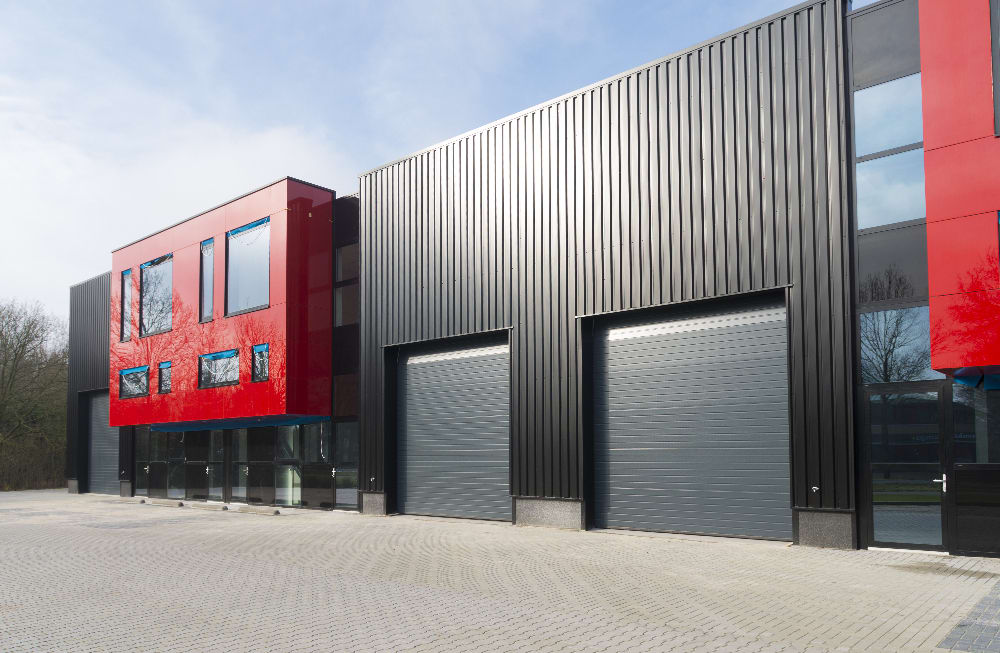
Our commercial depreciation team has experience in a wide range of commercial properties, including:



What commercial property services do you offer?
Sample Indicative Property Tax Depreciation Report
Washington Brown provides professional depreciation advice and reports for commercial property buyers, owners and sellers. Our commercial property clients range from individual investors, institutional investors, superfunds and private companies. If you’d like to get started, you can request a commercial depreciation report quote tailored to your property.
We offer the following commercial depreciation services:
Commercial Property Buyers
- Review and advise on the existing contract of sale to ensure that the total tax depreciation potential is realised prior to exchange.
- Review and comment on the vendor’s existing depreciation schedule or registers to ensure the total tax depreciation deduction potential is realised.
- Indicative Property Tax Depreciation Report to use in the preliminary feasibility analysis.
Property Owners of Commercial Buildings
- Preparation and delivery of comprehensive property tax depreciation report.
- Detailed on-site property inspection – all depreciable items are noted and photographed.
Commercial Property Vendors
- Preparation of Indicative Property Tax Depreciation Report for inclusion in the Sale Information Memorandum (IM).
Frequently Asked Questions
We have put together a Commercial Property Depreciation Frequently Asked Questions section, which should help answer your questions about commercial property depreciation. If you have a specific question that isn’t covered, please contact us and our team will be happy to assist.
-
What is Commercial Property Depreciation?
-
How much will my Commercial Property Depreciation schedule cost?
-
How much will I save?
-
Does Washington Brown offer a guarantee?
-
Will you need to inspect my property?
-
How long will it take to complete my schedule?
-
Is my property too old to claim Property Depreciation?
-
My commercial property has been renovated. Can I still claim?
-
I bought my property three years ago. Can I still make a claim?
-
What are the main differences between Commercial and Residential Property Depreciation?
Why Choose Washington Brown?
- We have been quantity surveying industry leaders for nearly 40 years and boast an extensive list of commercial real estate clients – see our extensive project experience
- Washington Brown is registered with the Australian Institute of Quantity Surveyors, and our staff are members of the Institute.
- Our team has extensive experience in property tax depreciation on all commercial property types, including hospitality, retail, office and warehouse properties and pub depreciation schedules.
- We have offices all around Australia.
- We guarantee to save you money!
Talk to one of our experienced consultants now! For an obligation-free discussion, call 1300 99 06 12 or email us.